Live music culture is easiest to enter through one local venue: pick a small room, see an unfamiliar act, then widen to touring shows and festivals once you know what sound and setting you like.
Picture a free Friday night, a handful of listings and no sense of what separates a great evening from a forgettable one. The decision comes down to room size and what you want to hear. A small room puts you close to the performer, a large hall delivers scale, and a festival trades focus for range. This guide sorts those choices by goal, then covers tours, festivals, independent artists, concert sound and making music of your own.
Routes into live music, by goal
Each route below suits a different reader. Pick the one that matches your next outing rather than trying to take them all at once.
- Start local and small. This suits anyone who has never been or who wants to hear new names cheaply. A guide on how to find live music near me covers apps, venues and local scenes, and the next section shows how three large US cities describe their own scenes.
- See a touring act you already love. This suits fans who know the songs and want the production. Learn how to get concert tickets before an on-sale date, then read the tours section below to understand what the stop in your city represents.
- Commit to a festival. This suits people who want range, atmosphere and several days of music. A festival packing list turns the decision into logistics once you have chosen one.
- Follow independent artists. This suits listeners who want to hear musicians while they are still building an audience. Small venues, intimate formats and record shops are the usual doorways, covered further down.
- Make something yourself. This suits readers whose interest in live music is turning into a wish to write, produce or perform. The final section points to starter guides.
The routes also work in sequence. A local night out teaches you what you enjoy about a room, which makes a ticket for a touring show or a festival wristband a better-informed purchase. If you are unsure, begin with the first route: it is the cheapest to get wrong and the quickest way to learn your own taste.
Finding live music in a city
Cities differ in how many places offer live music and how they present them. Tourism bodies in Austin, Seattle and Houston describe their scenes in useful, concrete terms, and the contrast shows how to approach an unfamiliar city.
Austin: a scene with too many doors
Austin’s official tourism site says live music and music in many other forms is everywhere in Austin. It lists the settings where local musicians perform nightly: clubs, coffeehouses, bars, taquerias, sporting events and concert halls. The same page admits that with hundreds of live music venues, it can be intimidating to know where to start.
That admission is the practical point. In a city with hundreds of venues, searching by headliner is slow and often misleading. Choose a type of setting first, such as a coffeehouse for a quiet set or a club for a louder night, then pick a date. Treating the venue as the unit of choice, rather than the band, is the habit that makes a big scene manageable.
Seattle: a smaller list across many genres
Seattle’s visitor bureau says the city has more than eighty clubs and venues presenting live music on a regular basis, with genres including rock, hip hop, jazz, grunge and symphonic sounds. Its listings include a night of live music at Sea Monster Lounge featuring Bigtooth on 10/27/2026, a useful example of a club bill where the act is likely to be unfamiliar to most visitors.
A list in the dozens is easier to scan than one in the hundreds. Here, a genre-led approach works: choose the sound you want, then look for the venue that books it regularly.
Houston: global stars next to local acts
Houston’s tourism site frames its scene as running from global, national and regional stars to emerging local artists and bands. It also points to a lineage: the Continental Club in Houston opened in 2000 as a second location of the Austin club inaugurated in 1955. Venues with that kind of history show how a room’s identity can outlast any single band that plays it.
The takeaway for a newcomer is that big and small acts often share a city’s calendar. If you only follow headline names you will miss the emerging local artists the same listings promote.
Venue size and what it means for your night
Capacity is one of the few hard facts about a venue, and it shapes the evening more than genre does. Houston’s tourism listings give a clear spread from a ballroom to a very large hall, and they are a handy yardstick even if you live elsewhere.
| Venue (Houston) | Stated capacity or feature | Planning use |
|---|---|---|
| 713 Music Hall | Can host up to 5,000 concertgoers | Suits big-name shows where crowd energy matters more than closeness; a ceiling, not a typical crowd. |
| Warehouse Live (big ballroom) | Accommodates up to 1,500 patrons for a concert | A mid-size choice for acts that have outgrown clubs but still play rooms rather than arenas. |
| The Arena Theatre | No seat is more than 60 feet from the stage | Worth considering if sightline matters, since distance to the stage is capped. |
| Smart Financial Centre | Movable walls give four seating capacities, from 1,900 to 6,400 | Check which configuration your date uses, because the same hall can feel intimate or large. |
| Bayou Music Center | State-of-the-art sound system; holds crowds of more than 1,000 | A sound-led pick when you want to hear a favourite group clearly. |
Capacities and features above come from Houston’s official live music guide.
Read the table as a set of trade-offs. Upper-limit figures, such as the 5,000 and 6,400, describe what a venue can hold, not what any given night will feel like. The Smart Financial Centre row is the most useful lesson: when walls move, the same address can offer a very different show, so confirm the seating plan before you buy. If you value being near the stage, a venue that publishes a maximum distance, like The Arena Theatre, tells you more than a capacity number alone.
How music tours work
A music tour is a run of shows in different cities, each in a venue chosen to fit the act, usually with other performers on the bill. For a fan, a tour means the show comes to you for a limited window; for the artist, it is closer to a travelling job than a series of parties.
The stop in your city
Tour listings show the pattern clearly. Seattle’s visitor bureau notes that beabadoobee’s Powerlines Tour stops at Climate Pledge Arena on 10/29/2026, joined by special guest Wisp. Two lessons follow. The headliner plays an arena-scale room, and a supporting act is part of the package. If you arrive early you hear the opener, which is often the cheapest way to meet a new artist.
Compare that with the Sea Monster Lounge night in the same city. Both are live music, but they ask different things of you. The arena stop is a planned outing with tickets bought ahead; the club night is a lower-stakes way to hear something unknown.
The day behind the set
Fans see the show, but performers live the surrounding day. A music blog’s look at touring life puts it plainly: you may work only an hour, but that hour is surrounded by traveling, waiting around, soundchecks and late wind-downs. The same piece says touring has become more challenging because of tighter schedules and growing global travel. This is a trade publication’s description, not an official statistic, so treat it as context rather than a measure.
The practical meaning for audiences is modest but real. A set that sounds polished after a long day of travel and waiting reflects a lot of unseen work, and a tour that is cut or rescheduled is not necessarily a sign of carelessness. Patience on a bad night costs the fan very little.
Choosing which tour date to attend
Pick the date by the room, not just the day. Use the venue-size comparison above: a large hall gives the full production but distance, and a smaller venue on the same tour, where the artist plays one, gives closeness at the price of fewer tickets. If the act is touring a city with a venue that publishes its sightline or sound system, that detail is worth weighing against a cheaper or later date.
Music festivals
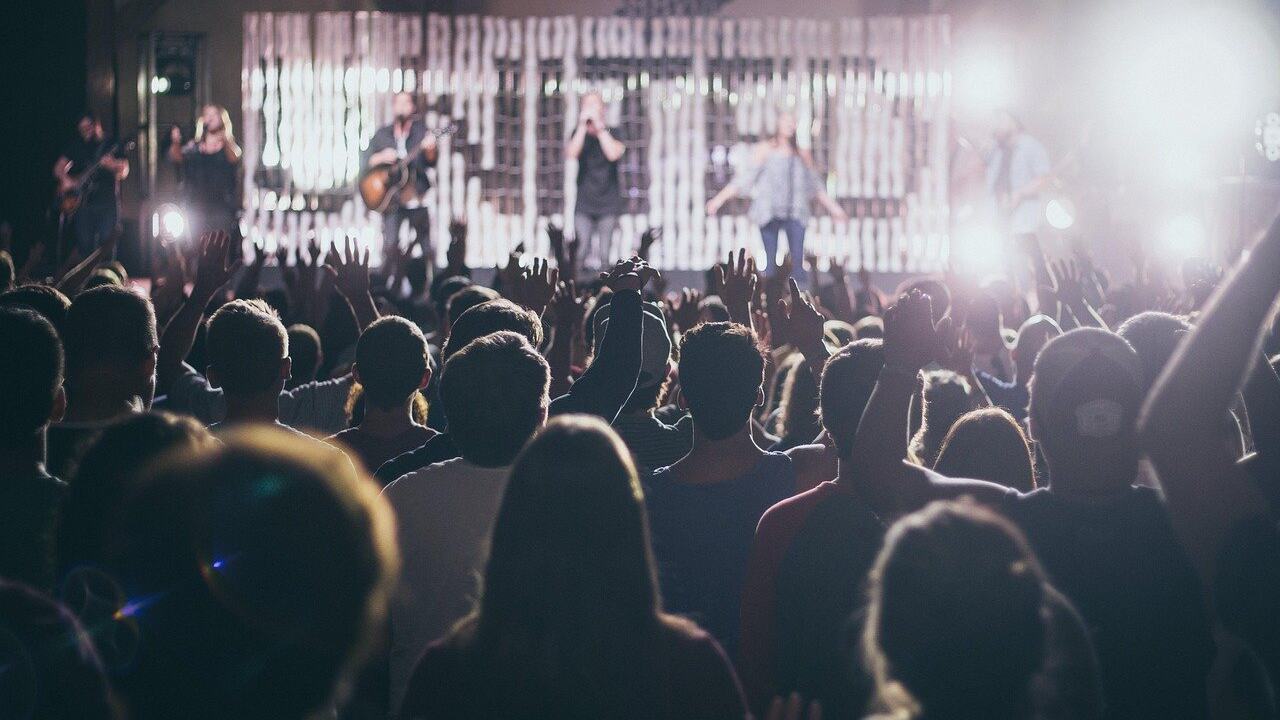
A festival is a different product from a tour stop. You buy access to many acts in one place, usually across several days, and you give up the control over sound and sightline that a seated venue offers.
The music blog quoted earlier observes that festivals are no longer characterized by just their lineups. It describes modern events as multi-day spaces that include art installations, local food, wellness offerings and interactive areas. That matters for choosing: some festivals are mostly about the stage schedule, others are about the environment, and the same ticket price buys very different weekends.
A useful test is to ask what you would do if your favourite act cancelled. If the answer is still attend, the surroundings are doing real work for you and a broad event is a good fit. If the answer is stay home, you may be better served by a standalone show where the headliner is the whole point. Seattle’s description of its scene, with venues spanning rock, hip hop, jazz, grunge and symphonic sounds, shows how a single city can cover several festival-like moods in ordinary clubs; a festival compresses that range into a few days.
Once you have chosen, preparation turns into the main variable, which is why a festival packing list belongs to the decision rather than coming after it. A short list for a bar-night is easy; a multi-day event with food, art and wellness spaces is a different level of planning.
Independent artists and the rooms that grow them
Independent artists are musicians building an audience outside the largest stages. They are easiest to find in small venues, and the evidence for why those rooms matter is strong.
Why small venues matter
The Live Music Society says its mission is to recognize and protect small venues and listening rooms across the United States. It says these spaces are where musicians hone their skills, build their fan base and develop into the artists they become, and that they offer an intimate experience between performer and audience that cannot be replicated by any other platform. By its own count, the organisation has impacted 220 small music venues across the US since 2020.
The same body notes that small venues often struggle to receive recognition and support, especially in economic downturns, and that COVID-19 shut down live performances and put countless small venues at risk of permanent closure. For a listener, the implication is practical: the rooms where unknown artists play depend on people turning up, so a ticket to a small show does more than a ticket to a sold-out arena to keep that pipeline open.
How to find independent artists
Start with the supporting acts. Touring bills such as the Seattle listing with a special guest show that opening performers are part of the package, and arriving early is the lowest-effort way to hear someone new. Next, use the local calendar: Houston’s guide explicitly lists emerging local artists and bands alongside stars, and Seattle’s lists club nights like Bigtooth at Sea Monster Lounge. Both are the kind of bill where you are likely to hear artists you have never encountered.
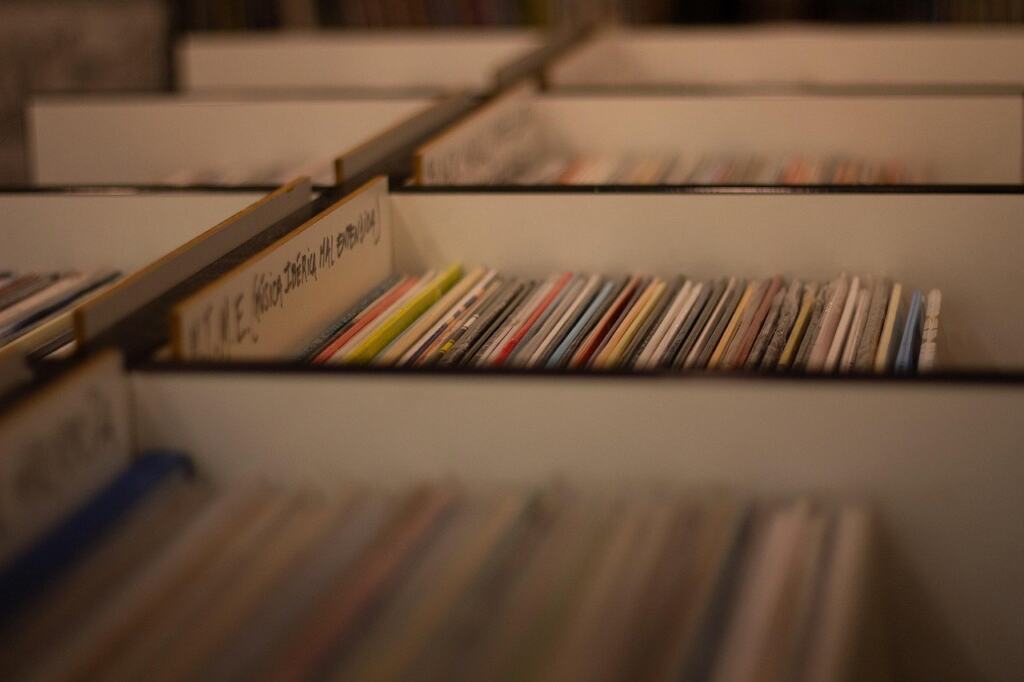
Then follow the rooms rather than the names. Venues that book small acts regularly act as filters: if you enjoy two nights at one room, the third is likely to suit you too. Finally, think about format. Intimate events remove the distance between performer and listener entirely. A guide to what is a house concert explains one such format, and a piece on what is record store day covers another that blends collecting with live performance.
Supporting artists beyond the door fee
Buying a ticket is the baseline. If you want to help an act you enjoyed, the same logic applies: independent artists build fan bases in small rooms, so your attendance, and your willingness to tell others, is part of how they develop. For readers who are artists themselves, the money side is covered in a guide on How To Make Money With Music: 10 Practical Ways To Earn In 2026 – Voiceoriginals.
Concert sound and how to judge it
Good live concert sound is a product of the room, the equipment, the people running it and where you stand. The evidence available points to several things worth checking before you buy.
The room and the system
Venues that care about sound say so. Houston’s guide describes Bayou Music Center’s state-of-the-art sound system as making it a great space to hear a favourite group. Smaller rooms can also invest: a venue that received a grant from the Live Music Society reported that it was able to improve its sound equipment and upgrade the look of its stage. These are venue statements, so treat them as signals that a room takes sound seriously rather than as measurements.
Size also matters for how a show feels. The Live Music Society points to the intimacy between performer and audience in small venues, which is a different quality from the polish of a large system. Neither is better in the abstract; choose by what you want from the evening. If you value hearing the nuance of a voice or an acoustic instrument, a listening room fits. If you want the full production, a larger hall does.
Distance and sightlines
Distance to the stage shapes the experience as much as volume does. The Arena Theatre in Houston, for instance, advertises that no seat is more than 60 feet from the stage. A venue that quotes a maximum distance gives you a way to compare, and it is worth looking for the same detail elsewhere, such as seat maps. Since the Smart Financial Centre changes capacity with movable walls, check which setup applies to your night.
Protecting your hearing
If you attend often, hearing protection is a sensible habit rather than a luxury. A comparison of foam and high-fidelity types is in a guide to the best earplugs for concerts, which is the place to weigh the options.
Recording and behaviour in the crowd
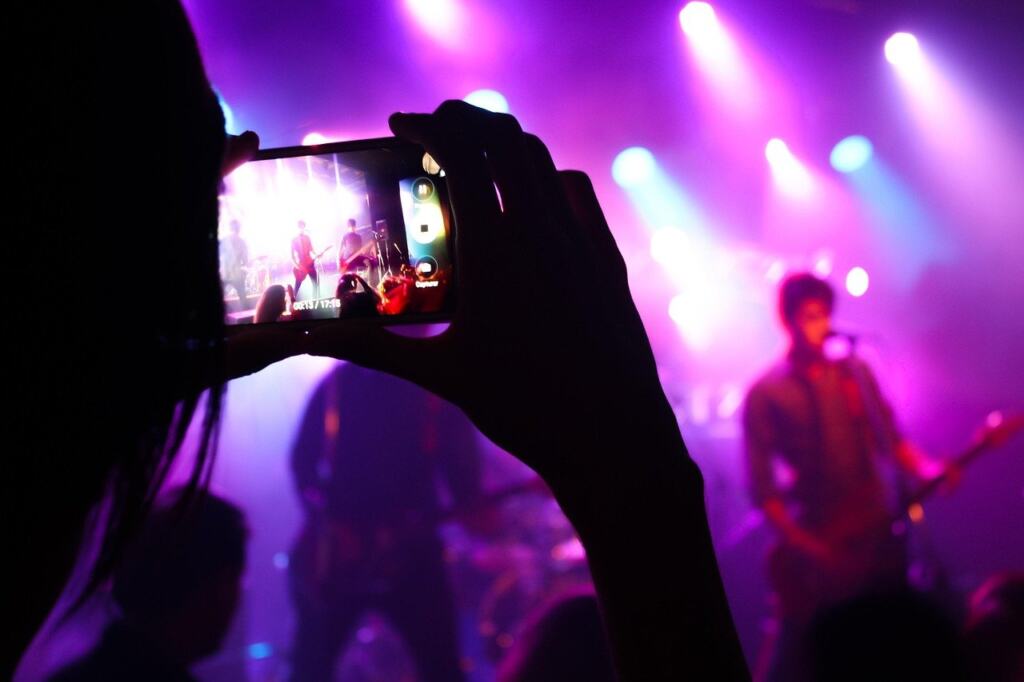
Phones are part of modern gigs, but rules vary by venue and event. Before you film, read the guidance on can you record a concert, which also covers getting better audio from a phone. And for the unwritten rules that keep a night pleasant for everyone near you, the page on concert etiquette is the place to start.
From listener to maker
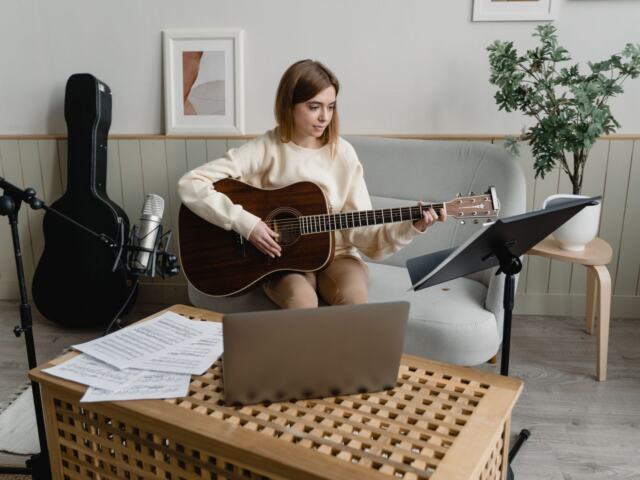
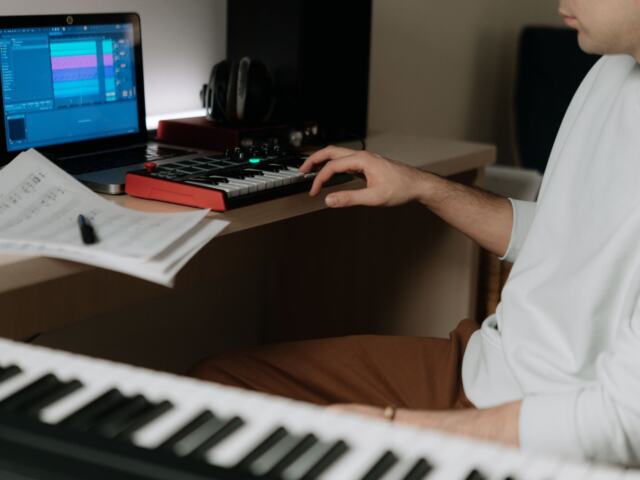
Many people who spend time in live music culture end up wanting to make music themselves. The voices and sounds behind the shows are learnable, and the starting point depends on what you want to make.
- The broad starter. If you want an overview of writing, producing and releasing, begin with How to Make Music: A Practical 2026 Starter Guide to Writing, Producing, and Releasing Songs – Voiceoriginals.
- Production skills. If you want a structured path, How to Learn Music Production: A Practical 90‑Day Roadmap for Beginners (2026) – Voiceoriginals lays out a roadmap.
- A genre to try. For relaxed beats, Make Lofi Music: A Practical Step‑By‑Step Guide To Chill Beats In 2026 – Voiceoriginals is a starting point, and for dance music, How To Make EDM Music: A Practical Starter Guide To Producing Your First Track (2026) – Voiceoriginals covers your first track.
- Singing for fun. If performing in front of friends appeals more than recording, What Is Karaoke? The Complete Beginner’s Guide To Singing, Tech, And Culture (2026) – Voiceoriginals explains the singing, tech and culture.
- Visuals. Once you have a track, How To Make A Music Video: Step-By-Step Guide To Creating A Professional Video On Any Budget (2026) – Voiceoriginals walks through making a video.
Whichever you choose, going to small shows is useful research. You see how independent artists structure a set, how a room handles sound and how an audience responds.
Frequently asked questions
| Question | Answer |
|---|---|
| How do music tours work? | A tour is a run of shows in different cities, each in a venue suited to the act and often with a supporting performer. For artists, the hour on stage is surrounded by travel, waiting and soundchecks. |
| How do I find independent artists? | Go to small venues and local club nights, arrive early for opening acts and follow rooms that book emerging local artists. Intimate formats such as house concerts and record store events are further options. |
| What makes good live concert sound? | It depends on the room, the sound system and your distance from the stage. Venues that describe their equipment or publish sightline limits give you something concrete to compare before you buy. |
| Is it better to see a band in a small venue or a large hall? | It depends on what you want. Small venues offer an intimate connection between performer and audience, while large halls deliver scale and production. |