At its simplest, karaoke lets people sing along to recorded music while a screen displays the lyrics and a microphone amplifies the voice. It began as a casual entertainment format in Japan in the 1970s and has since become global, spanning bars, private rooms, home setups, and online platforms. This guide explains the roots, typical places people perform, the basic gear involved, and why karaoke stays popular.
Key Takeaways
- Karaoke lets people sing along to prerecorded instrumental music with on-screen lyrics, making it accessible without a live band.
- Originating in Japan in the 1970s, karaoke has evolved into various formats including bars, private KTV rooms, home setups, and virtual parties worldwide.
- Basic karaoke gear includes a microphone, playback device, speakers, and a lyric display, with options ranging from simple home setups to professional mixers and effects.
- Choosing the right microphone, such as a USB or Bluetooth model for home use, improves convenience and sound quality while minimizing feedback.
- Many apps and platforms offer extensive song libraries, scoring, and social features, enhancing the karaoke experience and supporting personalization.
- Karaoke remains popular due to its social, emotional, and creative benefits, providing low-pressure performance opportunities that boost confidence and foster community.
Karaoke Defined: Origins, Meaning, And How It Works
Karaoke combines prerecorded instrumental tracks with on-screen lyrics so amateurs can perform popular songs without a live band. The word comes from Japanese: kara (empty) + ōkesutora (orchestra), literally “empty orchestra.” Early commercial machines in the 1970s used videotapes and simple score displays: later, digital libraries and synchronized lyric files made song selection instant. Technically, karaoke systems use a playback source, a lyric display, and a microphone mixer: some also add key or tempo controls so singers can match their vocal range.
Where People Sing Karaoke: Bars, Private Rooms, And Live Events
Karaoke appears in several public formats. In many Western cities, open-mic nights at bars let anyone sign up to sing in front of strangers. In East Asia and increasingly elsewhere, private karaoke rooms (often called KTV) offer small groups a rented booth, song catalogs, and a comfortable, intimate setting for practicing or partying. Festivals and talent nights stage karaoke as audience-friendly entertainment, sometimes with judges or prizes to add competitive spice.
Karaoke At Home And Virtual Karaoke Parties
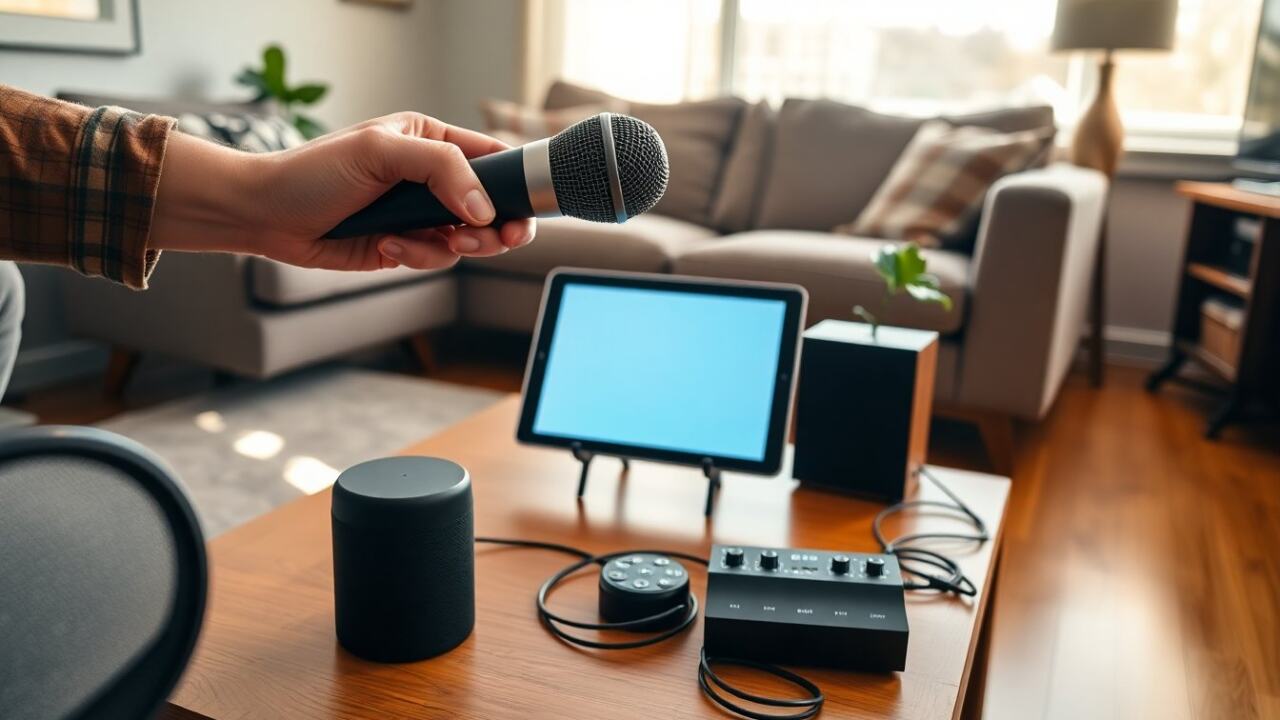
Home karaoke has grown as inexpensive hardware and streaming apps made setups simple. A living-room arrangement typically pairs a Bluetooth speaker or AV receiver with a tablet for lyrics and a USB or wireless microphone, perfect for casual family nights. Virtual karaoke parties use video-conferencing or dedicated apps so remote friends can sing together: latency and audio quality matter, so platforms that support direct audio streams or synchronized tracks give a better experience.
Karaoke Gear: Microphones, Mixers, And Playback Systems
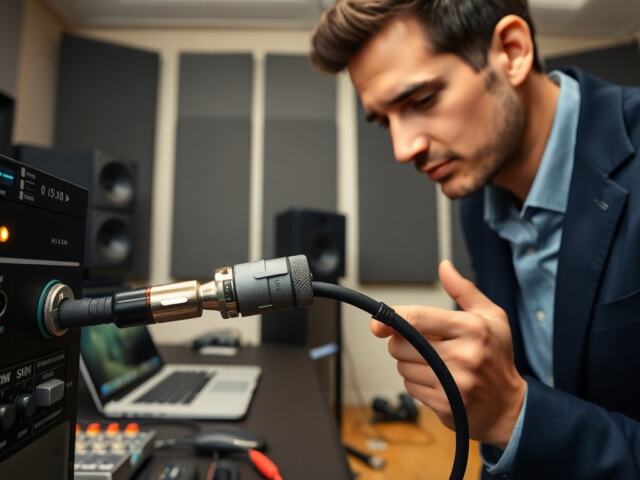
Basic karaoke gear includes a microphone, a playback source (phone, tablet, or dedicated player), speakers, and a display for lyrics. Budget setups can lean on a powered speaker with built-in Bluetooth and an inexpensive handheld mic. More serious setups add a mixer to control levels, echo/reverb effects to smooth vocals, and an external display or TV for clearer lyrics. Portable all-in-one machines combine playback, screen, and inputs for plug-and-play convenience: DJs and venues often choose separate components for flexibility and sound quality.
Choosing The Right Microphone And Basic Audio Setup
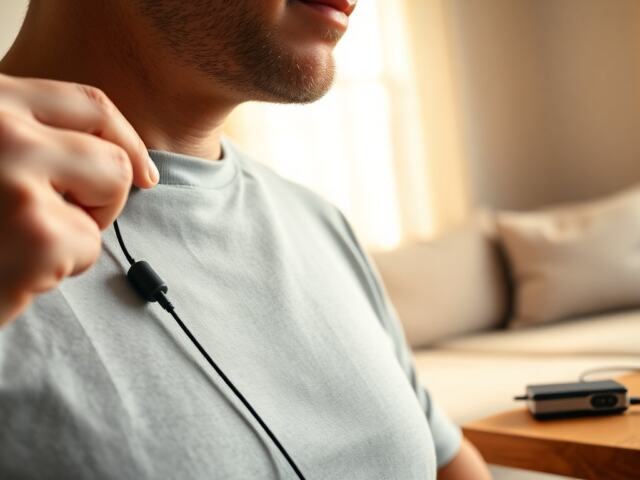
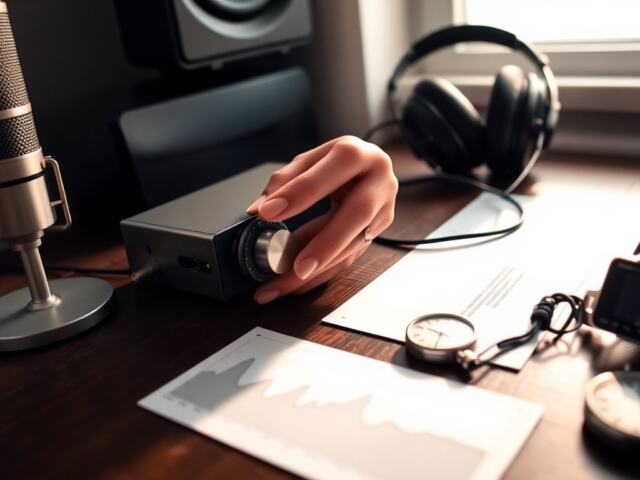
When choosing a mic, users most often pick dynamic handheld models for durability and feedback resistance: condenser mics can sound brighter but need careful placement and a quiet room. For home use, look for mics that offer USB or Bluetooth connectivity to avoid needing a mixer. Basic audio setup tips: place speakers slightly in front of the performer to reduce feedback, keep microphone volume moderate to prevent clipping, and add subtle reverb to help vocals sit in the mix. A simple two-channel mixer gives control over echo and vocal level without complexity.
Software, Apps, And Online Platforms For Karaoke
Many apps and platforms provide vast song libraries, synchronized lyrics, scoring, and social features. Popular models let users stream licensed tracks or rent songs individually: others let users upload instrumental tracks and time lyrics manually. For remote singing, apps that reduce latency or offer offline track downloads improve timing. When choosing software, check licensing (to avoid removed songs), platform compatibility (TV, mobile, PC), and whether the app supports key/tempo changes for personalization.
Why People Love Karaoke: Social, Emotional, And Creative Benefits
Karaoke appeals because it blends performance with low stakes: anyone can take the mic without professional credentials. Socially, it creates shared moments, group cheering, inside jokes, and bonding over a bold song choice. Emotionally, singing releases endorphins and can reduce stress: many singers report feeling more confident after performing. Creatively, karaoke encourages experimentation with phrasing, harmony, or even arranging a song differently. For communities, it’s an inclusive hobby: performers of all ages and skill levels can participate, celebrate, and improve over time.
FAQ
Q: Is karaoke the same as a sing-along?
A: No, a sing-along usually involves everyone singing together to the original recording, while karaoke provides an instrumental track and highlights an individual performer.
Q: Can karaoke damage the voice?
A: Singing itself doesn’t harm the voice if done with reasonable volume and technique: persistent strain or loud, unamplified shouting can cause problems and a vocal coach can advise safer technique.
Q: How do venues license songs for karaoke?
A: Venues typically obtain public performance licenses from rights organizations or subscribe to licensed karaoke libraries: licensing ensures the catalog stays up to date and legal.
Q: What’s the easiest way to start at home?
A: Start with a Bluetooth speaker, a USB or Bluetooth microphone, and a karaoke app on a tablet, this setup keeps cost low while offering good sound and lyric display.
Frequently Asked Questions about Karaoke
What is karaoke and how does it work?
Karaoke lets people sing along to prerecorded instrumental tracks while lyrics display on a screen. It uses a microphone to amplify the voice, combining music playback, lyric display, and vocal mixing for an interactive singing experience.
Where can people typically enjoy karaoke?
Karaoke is popular in bars with open-mic nights, private KTV rooms for groups, festivals or talent shows, home setups, and online virtual parties where friends can sing together remotely.
What basic equipment do I need to set up karaoke at home?
A simple home karaoke setup includes a microphone (USB or Bluetooth recommended), a playback device like a tablet with karaoke apps, speakers or a Bluetooth speaker, and a screen to display song lyrics.
How do karaoke apps and platforms enhance the singing experience?
Karaoke apps offer vast song libraries with synchronized lyrics, scoring, and social features. Some reduce latency for remote singing, allow key or tempo adjustments, and support offline downloads for smoother, personalized performances.
Is karaoke the same as a sing-along?
No, unlike a sing-along where everyone sings with the original recording, karaoke provides an instrumental track allowing individual performers to sing solo with on-screen lyrics.
Can singing karaoke damage my voice?
Singing karaoke doesn’t harm your voice if done with moderate volume and proper technique. However, persistent strain or shouting loudly without amplification can cause voice damage; consulting a vocal coach can help ensure safe singing.