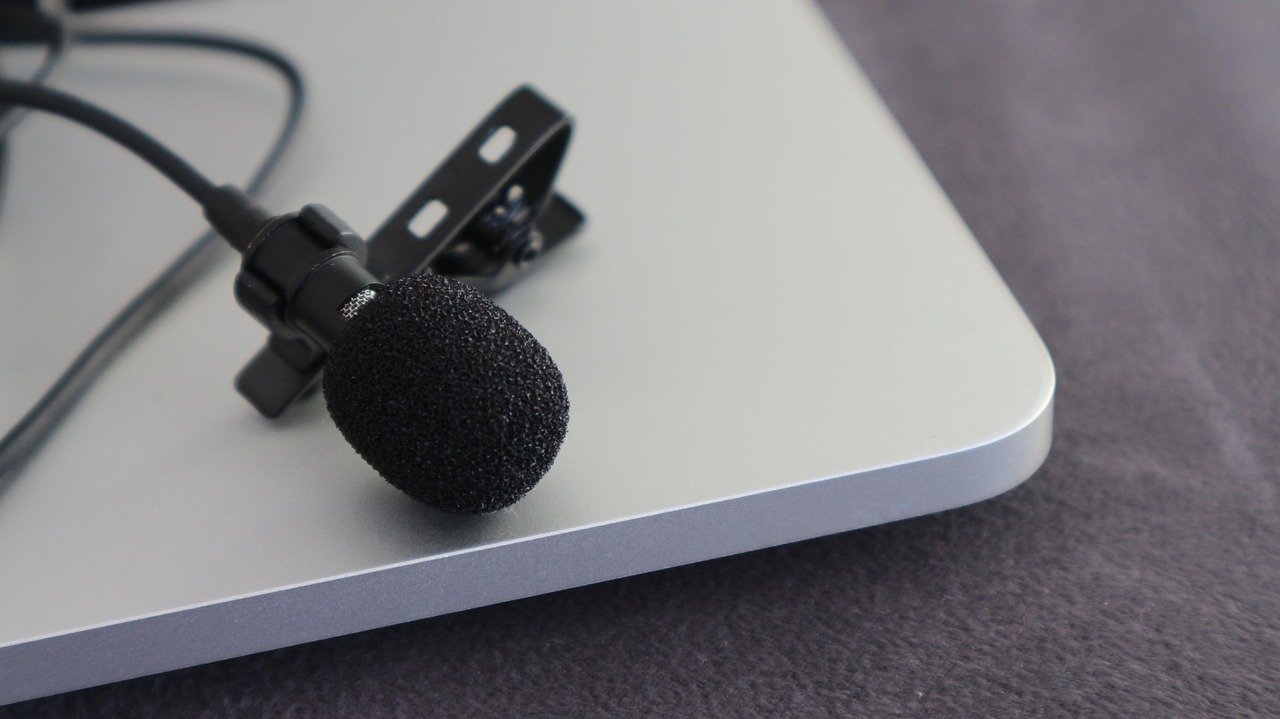
You clip a tiny mic to a collar and wonder what is a lavalier doing that a camera mic cannot. It is a small clip-on microphone for speech, and it performs best when placed carefully and matched to the right connector.
This guide corrects the most common misunderstandings about lavaliers. For the wider gear picture, start with our hub on the best microphone for voice recording. If your project uses synthetic narration instead of a live speaker, AI-Generated Voiceover: How To Create Natural, Legal, And Cost-Effective Audio In 2026 – Voiceoriginals covers that alternative.
Lavalier basics and common misconceptions
A lavalier microphone is, in the words of Transom’s lavalier review, one of those tiny mics you clip on an interviewee, most often used for film shoots. Three assumptions cause most bad purchases.
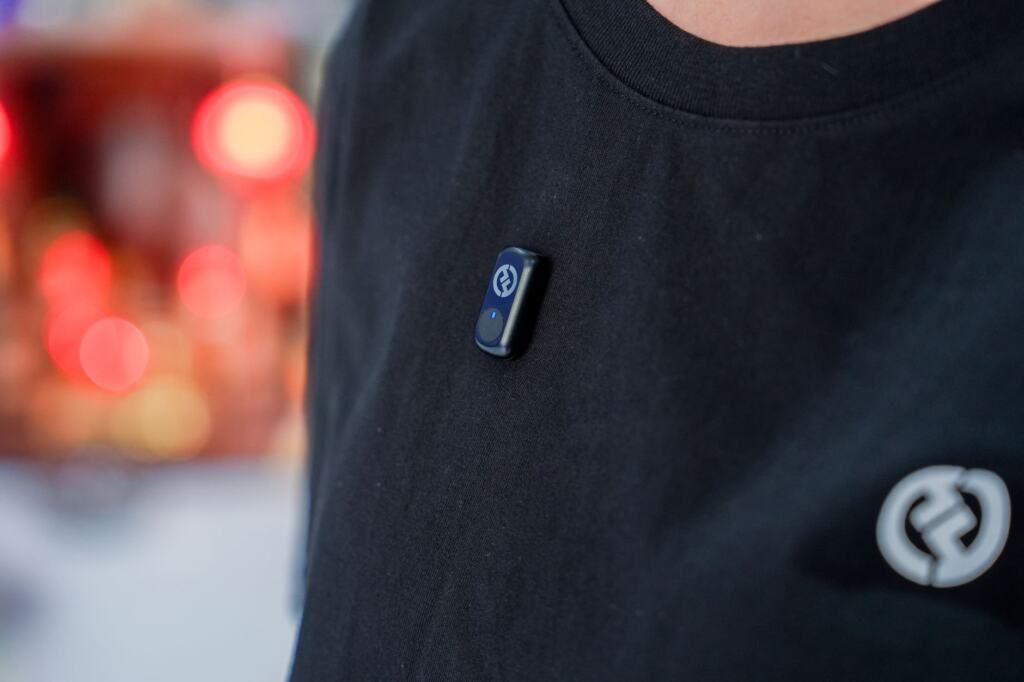
- “A lavalier is always wireless.” It is not. The mic itself is the small clip-on capsule. Whether it connects by cable or through a transmitter is a separate choice, covered below.
- “Any lavalier sounds the same.” Connector type, pickup pattern and price all change the result, and the reviewer behind Transom’s comparison tested mics from $20 to about $500.
- “Clip it anywhere and it will sound fine.” Placement decides how much clothing noise, brightness and level change you get, as the next sections explain.
The table below contrasts the main ways a lavalier is delivered, so you can see where each assumption breaks down.
| Option | Connector | Typical price | Suits | Planning use |
|---|---|---|---|---|
| Wired, mini jack | 1/8 inch mini jack; unbalanced cable | Many models well under $100; the Movo LV-1 sells for $20 | Phones, laptops and simple recorders | Can sound fine, but is less reliable than an XLR connector |
| Wired, XLR | XLR; balanced and shielded cable | Varies by model; see the price section | Recorders and mixers with XLR inputs | The more reliable connection when the shoot cannot be repeated |
| Wireless system | Transmitter worn by the speaker, plus a receiver | Mid-level systems well over $500; high-end systems thousands of dollars | Speakers who move | Budget for the system, not just the mic, and watch transmitter battery life |
Connector, cable and price figures come from Transom’s lavalier microphone guide.
Placement for clean audio
Placement matters more than most buyers expect, because a lavalier is highly susceptible to noise from clothing rubbing against the mic, according to Transom. A clip that touches a collar or jacket edge can ruin an otherwise good take.
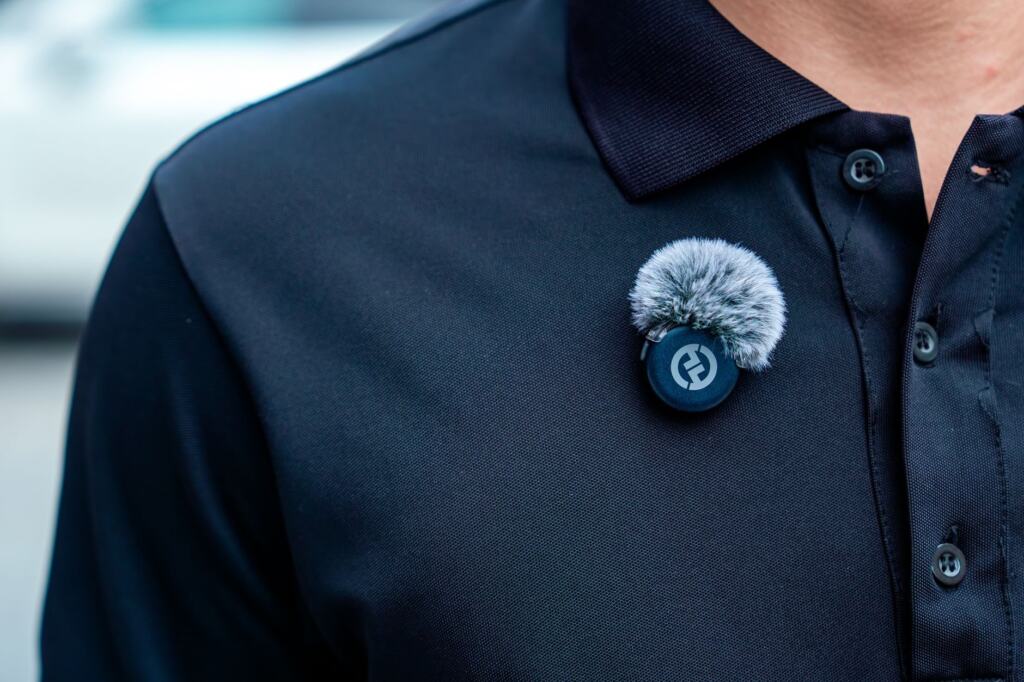
Common spots and their trade-offs
Transom notes that positions such as the chest, lapel, tie or hair just do not result in the best vocal sound. They are popular because they hide the mic or keep it close to the speaker. Treat them as compromises you accept for the look of the shot, then test the result before recording.
Angle, brightness and head movement
Some engineers clip lavaliers pointing down, which can help reduce an overly bright sound. A fixed mic also has a limit: when the speaker turns their head, voice volume and timbre can shift. Ask a presenter to speak naturally while you listen, rather than checking with a still, scripted line.

Capsule type and windscreens
Lavaliers with an omnidirectional pickup pattern give a more even pickup, and an omnidirectional capsule is less sensitive to cable movement, clothes rustle and wind, per Transom. That is why an omni is the forgiving default when you are still learning where to hide the mic.
Wired or wireless for your recording
Choose wired when the speaker stays put and wireless when the speaker moves. A wireless lavalier has no wires to constrain the subject’s movement, while the recordist can monitor and control record levels, as Transom points out. It also suits subjects where it may be impossible to keep them on mic with a handheld or boom mic.
Interviews
For a seated interview, a cable is rarely an obstacle, so a wired lavalier keeps cost down. If the interviewee walks, gestures widely or changes rooms, a wireless system removes the cable problem that Transom describes.
Video shoots
For video, the ability to monitor and control levels while the subject moves is the main advantage of wireless. It earns its price when a repeat take is impossible or the subject cannot be kept in range of a boom. For model comparisons, see our guide to the best wireless microphone for content creators.
Livestreams
A streamer at a desk barely moves, so the wireless premium buys little. A wired mini-jack lavalier is the cost-conscious fit there. A wireless system makes more sense if you present standing and walk around the room.
Connectors and power
Prefer XLR when you have the choice. Transom states that a mic using an XLR connector rather than an 1/8 inch mini connector will be more reliable, and that XLR mic cables are balanced and shielded. Mics that terminate in a mini jack can still sound fine, so the mini jack is an acceptable budget route rather than a mistake.
If your recorder has XLR inputs but your lavalier ends in a mini jack, an adapter bridges the gap. Rode’s VXLR Plus converts from mini to XLR, and it also handles the power difference described in the FAQ below.
Phones, cameras and computers
A lavalier can be used with a phone, and a wired model is the cheapest way in. Transom describes smartphone lavaliers that use analog TRRS headphone/mic connections, or digital Lightning connections to iOS devices. Check which connection your phone offers before buying, since a plain mini-jack lavalier is not guaranteed to work with a phone.
Some mics ship with the bridge included: the Audio-Technica ATR3350iS can be used with a conventional recorder, or with a smartphone by using an included adapter. For cameras and computers, the manufacturer of the wireless Maono Wave T5 claims compatibility with iPhone, Android phones, laptops, iPad/Mac and DSLR cameras. Treat that as a maker’s claim and confirm the exact ports on your own devices.
Price ranges for starter and pro lavaliers
Lavalier prices span a wide range, and a higher price does not remove the need for good placement. Using the figures in Transom’s review:
- Starter: many mini-jack lavaliers cost well under $100, and the Movo LV-1 sells for $20.
- Middle: there are many other lavaliers in the $100-200 range, and the Tram TR50 is a mid-priced ($310) workhorse.
- Pro: the Sanken COS-11D is expensive for a lavalier at $470.
- Wireless: a solid mid-level system from Sennheiser, Shure or Sony can cost well over $500, and a high-end wireless system can cost thousands of dollars.
For most solo creators, a wired starter or middle-priced model with the correct connector is the sensible first purchase. Move to wireless only when movement, not sound quality, is the problem you are solving.
Frequently asked questions
| Question | Answer |
|---|---|
| Is plug-in power the same as phantom power? | No. Transom says plug-in power is not the same as phantom power, although it serves a similar function. The Rode VXLR Plus adapter converts phantom to plug-in power as well as mini to XLR. |
| How long does a wireless lavalier battery last? | It depends on the model. The maker of the Maono Wave T5 says it can deliver up to 9 hours of battery life, which is a manufacturer claim for that product. |
| Should a lavalier for live amplified events be cardioid? | Usually, yes. Transom says a cardioid lavalier will be a better choice for live events where the mic is being amplified through sound reinforcement, while omni suits general recording. |
| Were lavaliers designed for speech? | Yes. One account notes the AKG D109 lavalier was designed in the mid 1960s for high quality speech reproduction on TV and film. |