Best music production headphones help a producer hear true sound. This article lists the best music production headphones for clarity, comfort, and value. It shows what to check when choosing headphones. It lists top models by use case. It explains how to use headphones for better mixes. It offers fit and care tips for long sessions.
Key Takeaways
- The best music production headphones offer a flat frequency response to ensure accurate sound for mixing and tracking.
- Choosing between closed-back and open-back headphones depends on your recording environment and workflow needs.
- Top headphones combine neutral sound, durability, comfort, and replaceable parts for long-term reliability during production sessions.
- Using headphones effectively means referencing known tracks, monitoring at moderate volumes, and checking mixes on multiple playback systems.
- Regular maintenance and comfort adjustments, like cleaning pads and managing clamping force, enhance headphone longevity and usability for extended sessions.
What To Look For In Production Headphones
Producers should choose the best music production headphones for accurate sound. They should prefer models with a flat frequency response. Flat response helps the user judge balance and tone. When evaluating tonal balance, listen for an even midrange (where vocals and many instruments sit), a controlled low end (tight, not overblown bass), and clear highs that aren’t harsh. If measurements are available, look for minimal peaks and dips across 20 Hz–20 kHz rather than exaggerated boost in any band.
Decide between closed-back and open-back designs based on use case. Closed-back headphones isolate better and reduce bleed during recording; they’re often preferable for vocal or loud-amp tracking. Open-back headphones offer a more natural, spacious stereo image that can make panning and depth decisions easier during mixing and mastering, but they leak sound and are less suitable for tracking in live rooms.
Driver size and type influence perceived bass response and transient behavior. Larger drivers can move more air for fuller bass, but tuning and enclosure design matter more than size alone. Check impedance and sensitivity to ensure compatibility with your audio interface or headphone amp: low-impedance, high-sensitivity cans will run loud from a portable interface or phone, while high-impedance models may need a dedicated amp for full dynamics.
Build quality and serviceability matter for studio use: look for replaceable ear pads and detachable cables, durable headbands, and accessible parts. Consider connector options (1/8″ vs 1/4″ adapters, balanced connectors) and whether the cable is coiled or straight depending on your workflow. Finally, test for comfort—clamping force, pad material, and weight determine whether you can work for hours without fatigue. When possible, audition with familiar reference tracks and listen across volume levels to judge long-term comfort and fatigue potential.
Top Recommended Models By Use Case
This section lists the best music production headphones by common tasks. Each pick balances accuracy, comfort, and price. Each pick suits a clear use case and real studio needs.
Best Overall: Neutral Sound And Long-Term Reliability
The best music production headphones for most users combine neutral sound and durability. For an all‑round studio pair, prioritize neutral midrange, controlled bass, and a clean high end that doesn’t cause fatigue. These models typically have replaceable pads and cables, solid headband construction, and a consistent, predictable response from session to session.
Use this type for tracking, editing, and general mixing when you need one reliable pair that translates reasonably well to speakers. If you can, compare how mixes made on the headphones translate to several real-world systems (car, laptop, earbuds) to validate the headphone’s suitability as your primary reference.
How To Use Headphones For More Accurate Mixing
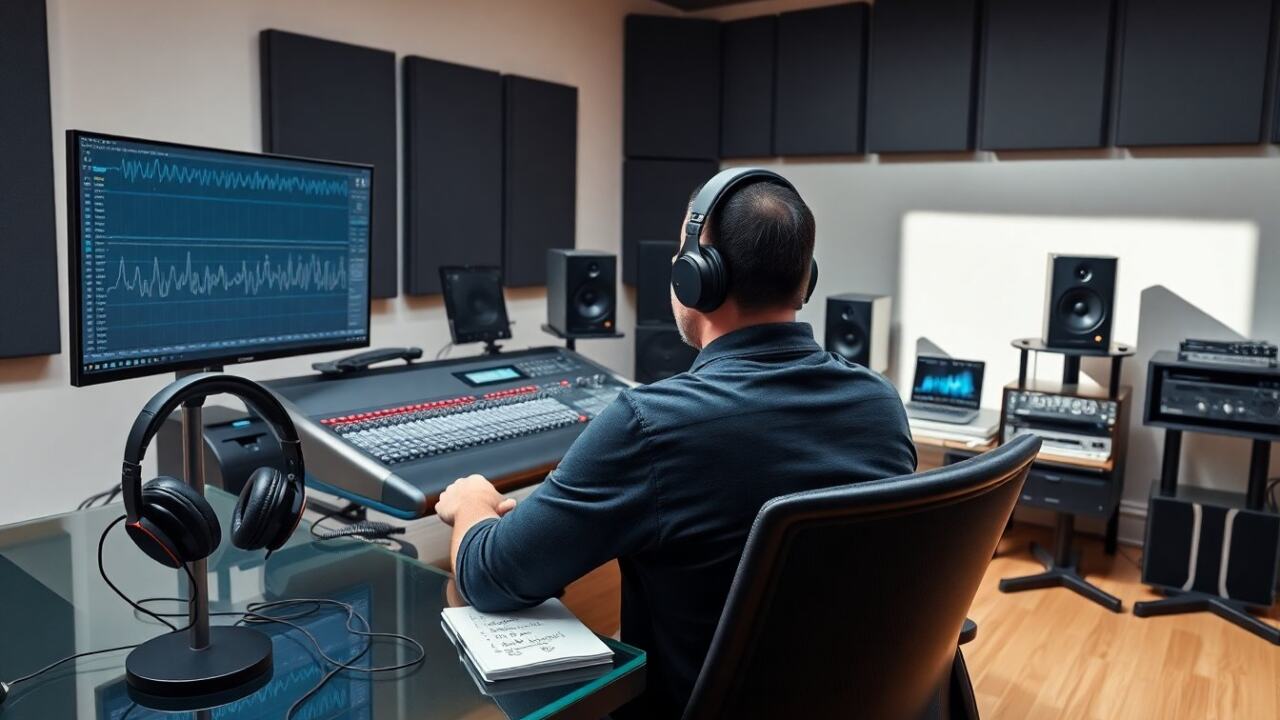
Mixers should use the best music production headphones with a clear method. Start a session by playing a short list of reference tracks that represent the sound and balance you want. Use those references as anchors while setting overall levels, panning, and basic EQ decisions.
Work in stages: rough balance first (levels and panning), then corrective EQ, compression for control, and finally coloration or character processing sparingly. Check the mix in mono regularly to reveal phase issues and ensure center elements (vocals, bass, kick) remain focused. Periodically switch to speakers or different headphone pairs to avoid headphone-specific biases—what sounds wide and present on headphones may translate as thin on speakers.
Maintain moderate listening levels and take ear breaks every 45–60 minutes to avoid adaptation and fatigue. Use short, targeted listening tests for tonal decisions (A/B with the reference track), then play longer for arrangement and fatigue checks. When judging low end on headphones, use a sub-aware workflow: assess clarity and balance rather than relying on absolute perceived weight, and confirm sub-bass on a system with a subwoofer when possible.
Maintenance, Fit, And Comfort Tips For Long Sessions
Users should keep the best music production headphones clean and comfortable. Clean ear pads and headbands regularly with a soft, damp cloth and a mild, alcohol-free cleaner to remove sweat and oils. Avoid soaking pads; if pads are removable and machine-washable fabric covers are provided, follow manufacturer guidance. Replace foam or leatherette pads when they compress, crack, or lose seal—this restores isolation and low-end response.
Inspect and manage cables and connectors: prefer detachable cables for easier replacement and keep spare adapter plugs on hand. If a cable shows frays or intermittent connection, replace it rather than risking further damage. For high-usage studio pairs, check screws, hinges, and the headband stitching periodically and tighten or repair small issues before they worsen.
Comfort adjustments are crucial for marathon sessions: choose breathable pads for warm rooms, and if clamping force is too high, gently stretch the headband over a rounded object for a few hours to reduce pressure. Alternate between headphones and speakers to reduce ear fatigue and prevent over-reliance on a single listening perspective. Finally, store headphones in a protective case away from extreme temperatures and direct sunlight to preserve adhesives and padding life.