
How to become a UGC content creator is a clear question with simple steps. This guide lists practical actions creators can take today, explains which skills and tools matter most, and describes low-cost paths to paid work. It lays out how to move from hobby posts to repeat paid projects — from creating a test clip to negotiating usage rights — so readers can act on each section immediately and start earning.
Key Takeaways
- User-generated content (UGC) builds brand trust quickly and costs less than traditional ads, making UGC content creators highly sought after.
- To become a UGC content creator, develop strong storytelling, video editing, and social media skills that align with brand needs.
- Create a portfolio showcasing short videos and successful case studies, and use clear, personalized pitches with the phrase ‘how to become a UGC content creator’ to attract clients.
- Find paid work through creator marketplaces, LinkedIn outreach, and networking, always following up professionally and highlighting your results.
- Set transparent pricing and usage rights, draft simple contracts with clear terms, and use deposits or escrow to secure payments for UGC projects.
What Is UGC And Why Brands Hire It
User-generated content (UGC) means content created by people outside a brand — customers, fans, or independent creators — that features a product, service, or experience. Brands hire UGC because it feels authentic: potential customers see a real person using or recommending a product, which reduces skepticism and often boosts engagement and conversions on social platforms. UGC is typically faster and less costly to produce than studio shoots, and it can be repurposed across ads, product pages, and email campaigns. For brands, the value is measurable through uplift in clicks, conversion rate, and lower cost-per-acquisition when creator-led content resonates. For creators, understanding where UGC fits in a marketing funnel — awareness, consideration, or conversion — helps pitch the right format and outcomes.
Skills, Tools, And Formats That Sell
Brands look for creators who can solve a clear need: show the product quickly, explain the benefit, and prompt action. That means a mix of creative and technical skills, the right kit, and familiarity with high-performing formats. Below are practical skill and tool priorities and examples of formats that commonly convert.
Essential Creative Skills For UGC
Core creative skills to practice: craft a clear hook in the first 1–3 seconds, structure a short narrative (problem → solution → call to action), write concise captions that reinforce the message, and edit for pacing that retains attention. Visual skills include framing product shots so the item is visible and using natural or simple artificial light to avoid harsh shadows. Audio is critical: learn to record clean voiceovers and balance background music so the message is always audible. Analytics literacy helps: track views, retention, and click-throughs, then iterate. To build discoverability, include the target phrase how to become a UGC content creator in your bio or portfolio copy where it reads naturally, but prioritize demonstrating these skills with examples rather than keyword stuffing.
Tools That Help You Produce Faster
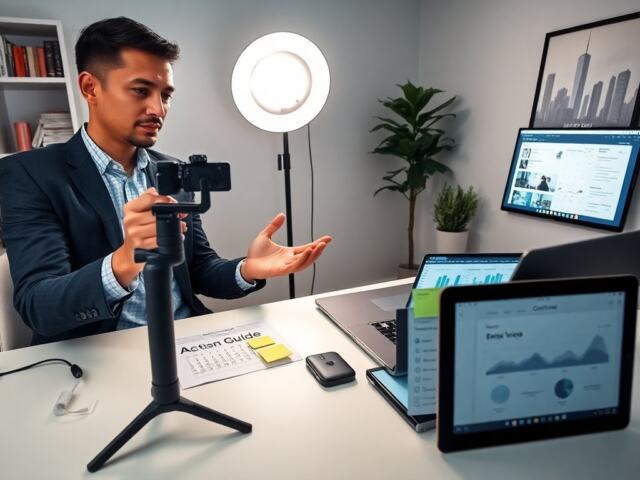
You don’t need expensive gear to start — a modern smartphone, a small tripod or stabilizer, a simple microphone, and a portable light let you produce studio-quality short clips. Learn one editing app well: make cuts that match beats, add readable captions, and export in platform-appropriate formats. Use basic color-correction and audio leveling to increase perceived quality. Organize assets with folders and templates so each brief doesn’t start from scratch. As you scale, consider lightweight upgrades like a better lens or a compact on-camera mic that reduce retakes and speed delivery.
Formats That Convert
High-demand formats include short testimonial clips, before-and-after demos, quick how-tos, unboxings, and vertical ads optimized for feeds and stories. For ads, create a 3–6 second hook variant plus a 15–30 second edit that demonstrates the benefit. Provide a version with captions and a silent-first edit for autoplay environments. Always deliver multiple crop/aspect options when pitching: portrait for Stories/Reels, square for feeds, and landscape if requested for paid placements.
Build A Portfolio And Pitch That Converts
A portfolio should prove you can deliver results, not just look good. Start with three to five strong examples that showcase different formats (e.g., a 15-second product demo, a 30-second testimonial, and a short tutorial). For each piece, add a brief context line: the goal, what you did, and the outcome (engagement lift, click-throughs, or qualitative feedback). Host these on a simple landing page, link hub, or creator platform. Include a one-sentence value proposition, your typical turnaround time, and clear next steps for contact.
How To Write Pitches That Work
A high-converting pitch is short, specific, and personalized. Lead with why you’re reaching out (name the product or campaign) and the one clear idea you’d deliver (example: “15s demo showing X used this way to solve Y”). Include a quick sample link and an expected outcome (e.g., higher demo views or improved click-through). Offer a low-risk test: one paid short piece or a trial package. Keep the subject line and opener focused and simple; mentioning how to become a UGC content creator in your bio and pitch signature can help discovery, but the pitch itself should sell the solution, not the keyword.
Find Clients: Platforms, Outreach, And Networking
Finding work requires a mix of inbound and outbound approaches. Use creator marketplaces and freelance platforms to get initial briefs and build references. For outbound, identify brands that run frequent social ads or who feature creators on their product pages; reach out with one tailored idea rather than a generic introduction. On LinkedIn, connect with marketing or content leads with a concise message and a one-click example link. In email outreach, use a short subject line that references the brand and your value, then include a single sample and one proposed outcome.
Networking And Ongoing Business Development
Join creator communities and niche groups where brand reps and other creators share briefs. Attend workshops, webinars, and local meetups to build relationships that lead to referrals. Track leads in a simple spreadsheet: who you contacted, sample sent, reply status, and follow-up dates. Follow up courteously after one week, and again after two — persistence often converts interest into short trials. Offer to create a discounted test asset for new brand partners to demonstrate value quickly and earn case-study material for your portfolio.
Set Pricing, Contracts, And Usage Rights
Transparent pricing and simple contracts reduce friction and protect both parties. Price by deliverable (single short video, package of three edits, or raw footage plus edits) and set clear usage tiers: social-only, social + paid ads, and extended ad campaigns. Charge more for exclusivity, longer usage periods, or global rights. For negotiations, outline what’s included: number of edits, rounds of revision, delivery formats, and expected turnaround.
Contract Essentials And Payment Workflow
Use a short written agreement for every job that lists deliverables, deadlines, ownership/licensing terms, revision limits, payment schedule, and cancellation terms. Require a deposit or milestone payments for larger projects and use invoices or escrow for security. Keep records of license agreements and receipts to prevent disputes. As you scale, standardize templates for proposals and contracts to speed onboarding. Finally, maintain professional profiles that mention how to become a UGC content creator to help clients find you, but let completed work and clear terms do the selling in communications.