Audio lifestyle habits work best when each part of the day gets its own sound and setup: familiar or instrumental music for focus, a speaker for the kitchen, earbuds for the commute, and a comfortable volume throughout.
Picture an ordinary weekday. There is a commute, a long stretch at a desk, dinner to cook, perhaps a run, and a wind-down at the end. Each moment asks something different of your ears, so one playlist on one pair of headphones rarely fits all of them. This guide sorts listening by what you are trying to do, then points you to the gear, playlist habits and detailed guides that suit each goal.
Choose your route through audio lifestyle habits
Start with the moment in your day that bothers you most, then follow that route. The routes below are ordered roughly from the most common problem (concentration) to the most personal one (sleep), and each points to a deeper guide.
- You cannot concentrate. Go to the focus section below, then read about the best music for studying if the task is learning, or best music to work to if it is a job.
- You listen mostly while moving. Jump to the headphones, earbuds and speakers section and pick gear that suits walking, commuting or exercise. For running tempo specifically, see the best bpm for running music.
- Your home sounds flat. Read the home listening setup section, then compare services in which music streaming service has the best sound quality.
- Your library is a mess. The playlists section covers how to keep a collection usable, and how to organize a music library goes further.
- You want more spoken audio. The podcasts section covers where talk fits into the day, and how to listen to more podcasts develops it.
- You want to switch off. The winding-down section covers evenings and sleep, with the best music for relaxing as the next step.
Whichever route you pick, read the safe-volume section before you commit to long listening sessions. It applies to every setup.
Audio for focus and study
You can use audio to focus better by choosing sound that does not compete with the task, keeping it consistent, and dropping it when the work demands your full attention. The evidence on music and concentration is mixed enough that your own results should settle the question.
What the research on music and concentration suggests
A summary of student research, hosted as a secondary write-up on Scribd, reports that college students recalled more content after listening to pop music or silence than after classical music when studying a text. That is a single study as summarised, so treat it as a caution against assuming classical music is automatically the best study soundtrack, not as a rule that pop wins.
The same summary reports that background music did not have a harmful effect on reading comprehension in a reviewed study. Interrupted sentences only slowed re-reading. The practical reading of both findings is modest: background music is not necessarily a handicap for reading, but the type of music and the type of task can change the result. Silence held up well in the recall result, which makes it a fair baseline for any experiment you run on yourself.
The best music for studying depends on the task
The best music for studying is the music that lets you forget it is playing. For reading and writing, that usually means material without lyrics you are tempted to follow, or familiar tracks you can ignore. For repetitive tasks such as sorting notes or formatting, you can afford more energy. If your task is new learning, try a session in silence and a session with background music, then compare how much you recall afterwards. The guide to the best music for studying goes through tasks one by one, and the one on best music to work to covers the office and remote-work version.
A simple test makes the decision less personal and more practical:
- Run a silent session first. Do a normal study block with no audio so you know your baseline for recall and for how long you stay on task.
- Change one thing at a time. Swap in a single kind of background sound for the next block, rather than a new playlist, new headphones and a new app together.
- Judge by output. Count what you actually finished or remembered, not how pleasant the session felt.
- Drop it for hard passages. If you find yourself re-reading the same sentence, pause the audio for that stretch.
Focus-music apps and what their makers claim
Dedicated focus music is a growing category, and its claims come from the vendors. Brain.fm states that its music has been proven to boost focus-associated beta brainwaves by 119%. That is the company’s own claim and has not been independently checked here, so read it as a marketing statement rather than a settled result. The company also lists the beta band as 12-30 Hz and describes it as linked to active thinking, problem-solving and focus.
Brain.fm further argues that normal music can help increase your focus for a short period, after which mental performance starts to decline. That sits awkwardly beside the student summary above, where background music did not harm reading comprehension, and it is another reason to test rather than assume. On practicalities, the service says it offers extra-long tracks to avoid interruption and thousands of hours of music and natural soundscapes, which matters if you hate a track change breaking your concentration.
Brain.fm also explains that binaural beats were first discovered in 1839. Its description is that binaural beats require both ears to be free of hearing damage and high-quality headphones. That detail has a decision attached: if you want to try binaural material, plan to use proper headphones. Plain ambient or instrumental tracks do not carry that requirement.
Build a focus routine that sticks
Treat audio as a cue. Use the same playlist or soundscape for the same kind of work, so the sound itself starts to signal that it is time to concentrate. Keep a short list of tracks you can leave on without thinking, and keep your discovery listening for other times. If you study a language, spoken audio can be the work itself rather than the background, which is covered in learn a language by listening.
Headphones, earbuds and speakers: matching gear to the moment
The right headphones are the ones you will actually wear in the situation you listen in most. A pair that is ideal for a quiet desk can be a poor choice for a commute or a kitchen, so decide on the moment first and the product second.
Headphones for desks and long sessions
Over-ear headphones suit long, stationary listening because they are designed to sit on the head rather than in the ear canal, and they are the natural choice if you want to try binaural material, since Brain.fm describes that format as needing high-quality headphones. If you share a room, a closed design keeps your sound to yourself. Check comfort over a full session before you worry about anything else. A pair that is slightly better on paper but uncomfortable after a long stretch will end up in a drawer.
Earbuds for moving around
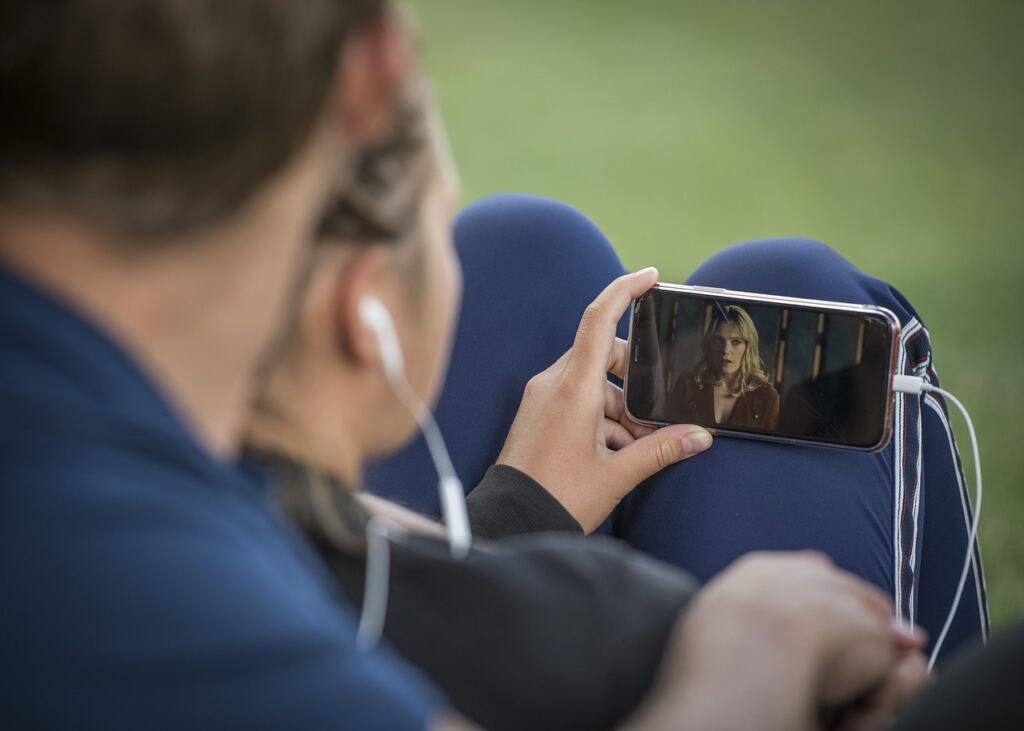
Earbuds win when you are on the move: walking, travelling, housework. They are small enough to carry everywhere, which makes the habit easier to keep. The trade-offs are fit and reliability. If earbuds drop out or only one side plays, work through the checks in one wireless earbud not working before assuming the pair is dead. Many cases come down to pairing or a connection reset.
Speakers when you want the room to share
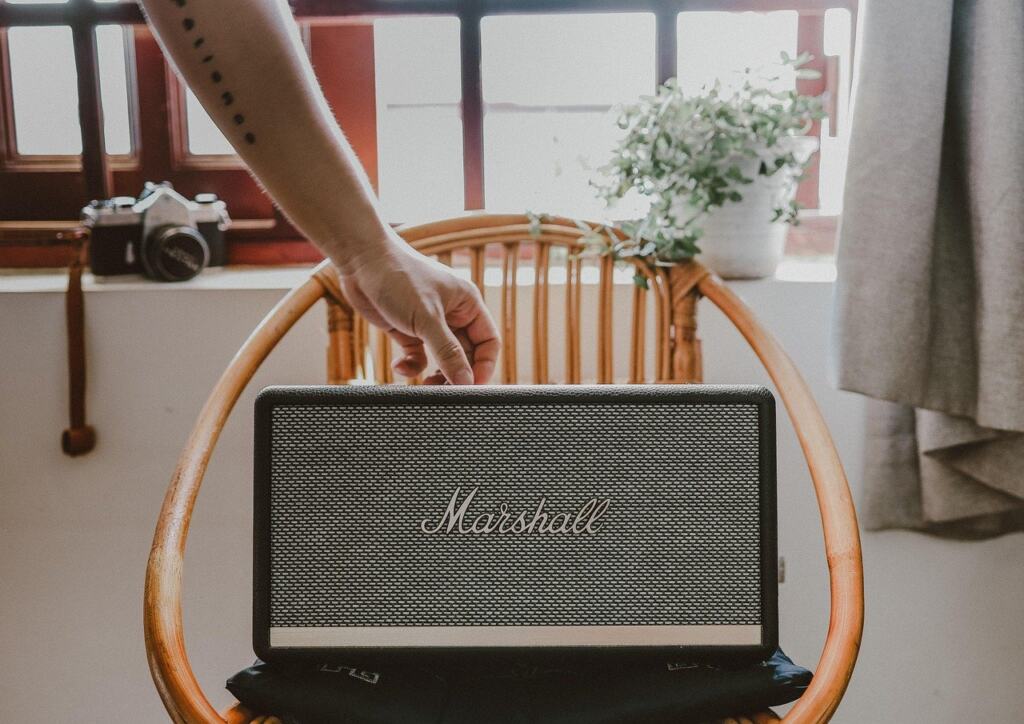
Speakers make sense when more than one person is listening, when you are cooking, or when you want to keep your ears free. Brain.fm says its app works with one or two ears and does not require headphones, so a speaker is a reasonable choice for ordinary focus tracks. For taking sound outside, the guide to the best portable speaker for outdoors covers durability, battery and etiquette.
Matching a setup to your budget
You can build a perfectly good listening life at almost any budget if you spend where your habits actually are. The table compares common setups on cost tier and fit rather than on specific prices.
| Setup | Budget tier | Suits | Planning use |
|---|---|---|---|
| Phone speaker or existing earbuds | No extra spend | Casual listening, testing a habit | Use this to find out which moments you actually listen in before you buy anything. |
| Wired or wireless earbuds | Low | Commuting, errands, chores | Best first purchase if most of your listening happens away from home. |
| Over-ear headphones | Mid | Desk work, study, binaural material | Worth the step up if you listen for long periods or want to try binaural tracks, which need high-quality headphones. |
| Desk or shelf speakers | Mid | Home working, shared rooms | Good for ordinary focus music, since the Brain.fm app does not require headphones. |
| Portable speaker | Mid | Garden, travel, group listening | Pick for flexibility rather than for the best sound in a single room. |
| Focus-music app | Ongoing subscription | Concentration sessions on web, iOS, Android or desktop | Try on hardware you already own; students may find a discount. |
| Turntable with speakers | Higher outlay | Deliberate evening listening | A hobby purchase rather than a productivity one; buy it for the ritual. |
The platform and headphone details in the app and binaural rows come from Brain.fm, which says the app is available on web, iOS, Android and desktop, works with one or two ears and does not require headphones; the budget tiers are editorial judgements.
Where to spend first
Spend first on the device you use during your longest daily listening block. For someone who studies for hours, that is comfortable headphones. For someone who commutes and cooks, it is earbuds plus a modest speaker. Resist buying for an imagined future habit. Brain.fm notes a 20% discount for active students, which requires a .edu email or proof of enrolment, so if you are a student and want a focus app, check eligibility before paying full price.
Where saving is sensible
Streaming quality, cables and accessories can wait. The bigger gains come from fit, comfort and a quiet enough place to listen. If you are weighing services, the comparison in which music streaming service has the best sound quality helps you decide whether a higher tier is worth paying for on your current gear. Better playback rarely matters if your earbuds leak sound on a busy street.
Building a home listening setup
A home listening setup works when it is easy to start and comfortable to use. That usually matters more than an impressive component list. Decide where you listen at home, then make that spot ready in a few seconds.
The kitchen and living areas
Shared spaces suit a speaker that connects without fuss. In a kitchen, you want sound you can hear over running water and extraction, and you want to keep your hands free. A single speaker that anyone in the household can play from is often better than a complicated multi-room plan you never finish configuring. Keep the placement away from damp worktops and where splashes cannot reach it.
The desk corner
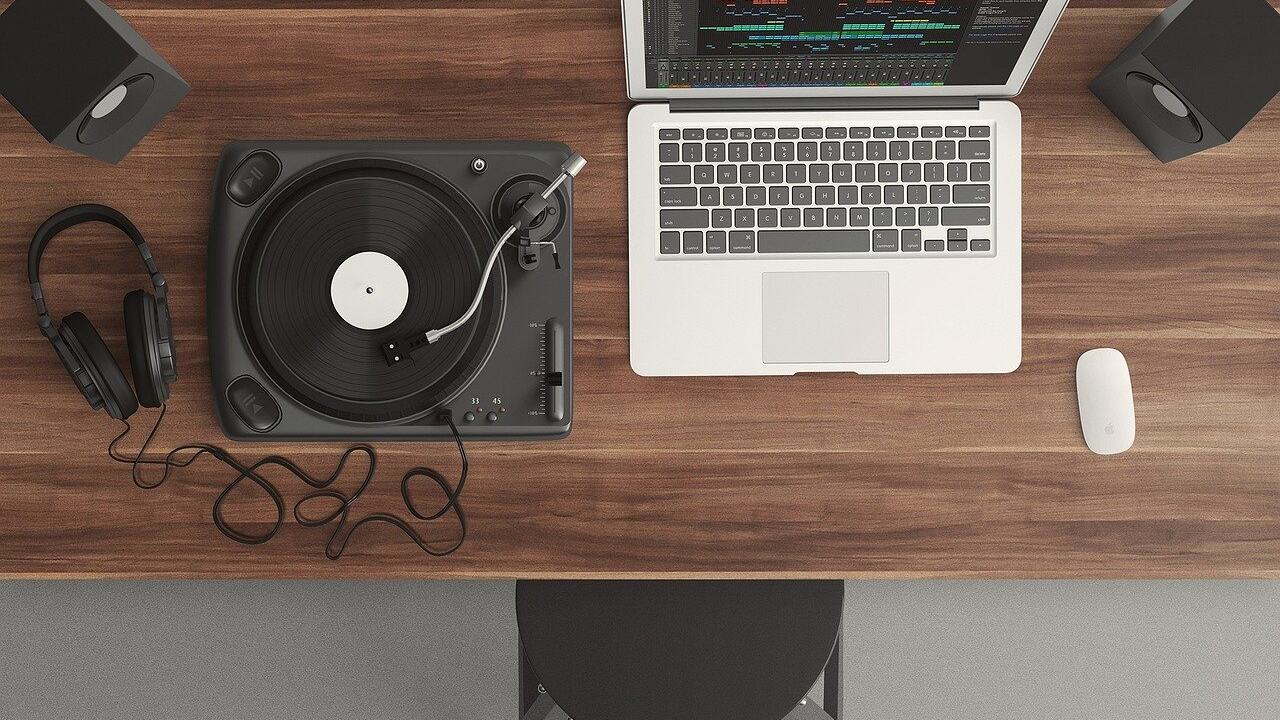
A desk setup mixes headphones and speakers, depending on who else is in the room. Keep the controls reachable and the source close, so starting a focus track does not turn into a detour through menus. If you work from a laptop, a pair of desk speakers or a comfortable set of headphones plugged into the same machine keeps the chain short and reliable.
A turntable corner as a ritual
A turntable with speakers and a lamp turns listening into an event rather than background. That is a different goal from focus. Records ask you to sit down, choose a side and stay with it, so this corner suits the evening, not the working day. If you already stream, you can keep both: streaming for utility, records for attention. Think of it as the place where you listen on purpose.
Playlists that keep working
A playlist is useful when it is built for a single purpose and named for it. A mixed bag of favourites is good for browsing and poor for any particular task. Separate lists for working, cooking, travelling and winding down make it easy to press play and get the right sound.
Purpose-built lists
Build a few lists around moments, not moods. A working list can be low-drama and long. A cooking list can be upbeat and familiar. For exercise, match the music to the activity: how to make a workout playlist walks through the approach, and running has its own tempo considerations. Brain.fm’s catalogue of thousands of hours of music and natural soundscapes is one example of how some services handle this by offering long, ready-made options so you do not have to curate.
Keeping the library tidy
Libraries decay. Old playlists accumulate, duplicates creep in, and discovery gets buried. Set aside a short, regular slot to prune, and use consistent names. When your collection spans several services or local files, the steps in how to organize a music library help you keep it usable and leave room for finding new music.
Podcasts and spoken audio
Podcasts fit the gaps in the day that music does not: chores, walks and travel, where your hands and eyes are busy but your attention is free. Start with a single show you actually want to hear, rather than a long subscription list that becomes a backlog.
Fitting podcasts into a busy day
Attach listening to an existing routine rather than creating a new time slot. Platforms host a wide range of lifestyle and wellbeing shows; for example, Healthy Lifestyle on Spotify describes itself as a podcast dedicated to helping you create a happier life, and its latest listed episode is dated December 12, 2025. Whatever shows you choose, the habit matters more than the catalogue. The guide on how to listen to more podcasts covers how to build that routine in more detail.
Long drives and long listens
Long journeys reward longer formats. A mix of spoken stories, interviews and familiar songs avoids fatigue better than a single type of audio. Plan the queue before you set off so you are not fiddling with a screen on the road. For ideas, see what to listen to on a long drive.
Audiobooks and reading
Audiobooks overlap with podcasts in how you use them, but readers often ask whether listening counts as reading. The evidence and the nuance are laid out in do audiobooks count as reading. For now, the practical point is that audiobooks suit the same gaps as podcasts and can sit alongside print rather than replace it.
Winding down and sleeping with sound
Evening audio should lower the energy of the room. Choose slower, quieter and more familiar material than you would use during the day, and set a limit so playback does not run all night without you deciding it should. The best music for relaxing is rarely the music you would put on to work out or concentrate.
Sleep is a separate decision from relaxation, because gear and volume become part of the question. Many people ask is it bad to sleep with music on, and the answer depends on how loud it is and what you wear to listen. A speaker on a low setting beside the bed avoids wearing anything in your ears, while a pair designed for lying down is a more considered choice than ordinary earbuds. Use a timer where your app allows it.
Protecting your ears while you listen
Comfortable volume is a habit, not a setting you fix once. The more hours you listen, the more it matters, and focus listening tends to run for long stretches. Keep the volume low enough that you could still hear someone speaking to you, and take breaks from headphones during long sessions.
If you are unsure what level is acceptable, the guide on how loud is too loud for headphones explains how to judge it and how long you can reasonably listen. Brain.fm’s note that binaural beats need ears free of hearing damage is another reminder that any hearing difficulty is worth taking seriously before you commit to long headphone sessions. If you notice ringing or muffled hearing, stop and seek professional advice rather than turning the volume up.
A weekly rhythm that ties it together
Put the pieces into a simple pattern. Mornings and commutes get earbuds and spoken audio. Working blocks get your tested focus sound, on headphones if you share space and on a speaker if you do not. Cooking and chores get the shared speaker. Exercise gets its own list. Evenings get something slower, and records or a longer album if you have the corner for it. You do not need all of it at once. Add one element at a time and keep what you actually use.
Review the pattern every so often. If a playlist no longer serves its moment, replace it. If a piece of gear sits unused, that tells you where your habits really are, and where to put your money next.
Frequently asked questions
| Question | Answer |
|---|---|
| How can I use audio to focus better? | Pick sound that does not compete with the task, keep it consistent, and compare a session with audio against a silent one. Some vendors, such as Brain.fm, offer long focus tracks, though their effectiveness claims are their own. |
| What is the best music for studying? | There is no single best choice. In one summarised study, students recalled more after pop music or silence than after classical music, so test lyric-free and familiar options against silence for your own subject. |
| Does background music hurt reading comprehension? | Not necessarily. A reviewed study summarised on Scribd found no harmful effect on reading comprehension, though interrupted sentences slowed re-reading. |
| Do I need headphones for focus music? | Not always. Brain.fm says its app works with one or two ears and does not require headphones, but binaural beats need both ears free of hearing damage and high-quality headphones. |
| Where should I spend first on a listening setup? | On the device for your longest daily listening block, such as comfortable headphones for study or earbuds for travel, before adding speakers or accessories. |