Voice over jobs for beginners from home can start today with low cost and clear steps. The guide shows which roles pay, what gear a beginner needs, and how they can apply. It explains simple demo creation, profile setup, and first-apply tactics. The guide keeps language plain. It helps a new talent move from practice to paid work within weeks.
Key Takeaways
- Voice over jobs for beginners from home include roles like commercials, explainer videos, audiobooks, and IVR prompts tailored to your voice type.
- Setting up a home studio on a budget under $300 with a USB microphone, headphones, and free editing software enables quality recordings.
- Create a focused demo showcasing your best work and maintain profiles on voice platforms and freelance sites to attract clients.
- Apply selectively to gigs matching your voice and deliver clear, well-named samples while tracking submissions for better success.
- Start with modest rates, use secure payments, and gather client feedback to build credibility and grow your voice over jobs from home.
- Consistent daily efforts and refining your pitch and demos can help you secure multiple paid gigs within a few months.
What Beginner Voice-Over Jobs Are Realistic From Home
Home-based beginners can find several realistic voice work roles. They can record short ads for local businesses. They can read audio for explainer videos and e-learning modules. They can narrate short audiobooks and provide character lines for indie games. They can supply IVR and voicemail prompts for small companies. They can join bulk projects that need many voices for one-hour clips.
Beginners should pick roles that match their voice and schedule. If they sound warm, they should try commercials and explainer work. If they sound clear and steady, they should target e-learning and narration. If they can act, they should try character work. Each role needs different pacing and tone. Beginners should practice scripts that reflect the role they want.
The keyword voice over jobs for beginners from home describes the search many make. They should choose a few realistic roles and focus practice on those roles. They should avoid trying every role at once. Focus helps them build useful samples and find paying work faster.
Essential Home Setup And Tools On A Budget
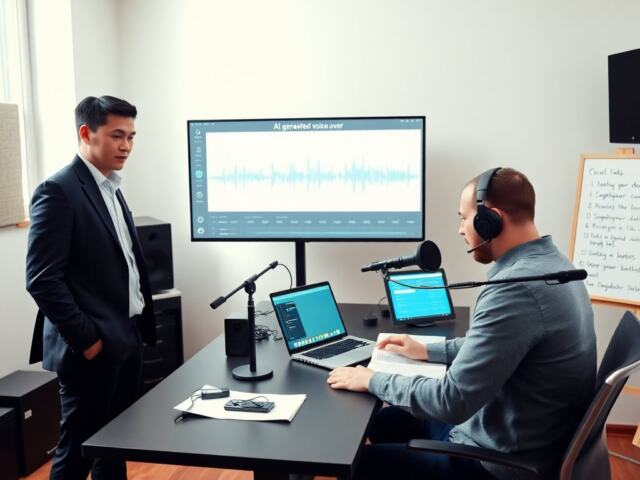
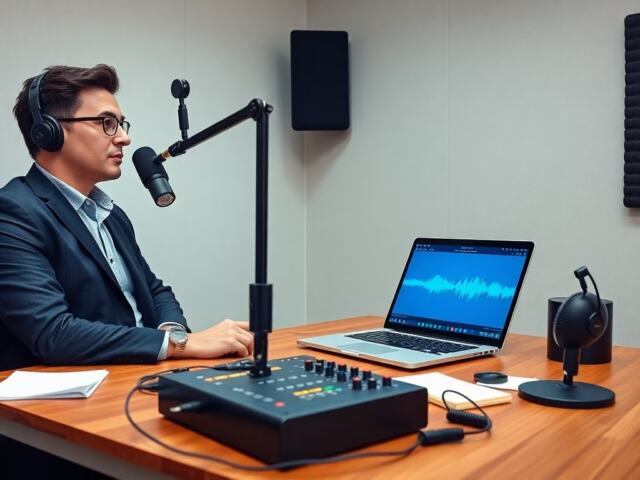
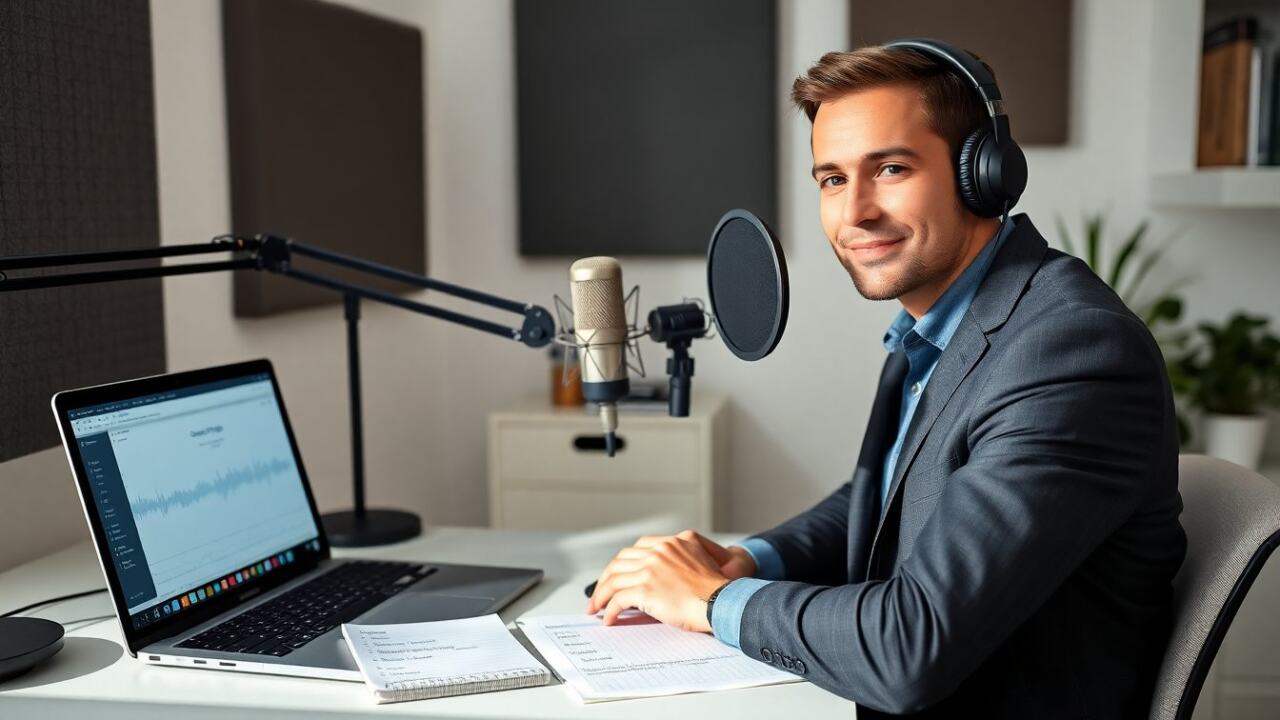
A basic home setup can cost under $300. A USB condenser microphone provides clean capture at low cost. A pop filter reduces plosives. A simple mic stand keeps the mic steady. Headphones let the voice talent hear details while they record. A laptop or desktop with a quiet room serves for most sessions.
For software, free editors work well. Audacity offers recording and basic editing. Reaper offers more features at a low price. They should set a 44.1–48 kHz sample rate and 24-bit depth for good quality. They should record in a quiet room and use soft furnishings to reduce echo.
Basic acoustic treatment helps. A moving blanket or foam panels on key reflection points reduces reverb. A reflector shield behind the mic can cut room noise further. They should create a short checklist to set levels before each session: mic distance, input gain, and test read. The checklist helps them deliver consistent files to clients who hire voice over jobs for beginners from home.
How To Find And Land Your First Voice-Over Gigs
They should use multiple channels to find work. They should join marketplaces that list voice gigs. They should check freelance sites, voice platforms, and local business listings. They should follow production companies and ad agencies on social platforms. They should send brief, polite outreach messages to potential clients.
They should apply selectively. They should read job briefs and match the script to their vocal strengths. They should pitch with one clear sample. They should state delivery format and a fair timeline. They should ask about reuse and commercial rights up front.
They should track submissions and follow up if they hear nothing in three to five days. Persistence helps. They should keep short records of each pitch, client response, and outcome. This log helps them refine which outlets provide steady work in the search for voice over jobs for beginners from home.
Creating A Simple Demo, Profiles, And Applying Smartly
They should make a demo of 60–90 seconds that highlights the work they want. They should open with a strong one-line commercial read, add a clear narration clip, and close with a character or friendly read. They should keep edits clean and fade files in and out smoothly.
They should build profiles on at least two dedicated voice platforms and one general freelance site. They should use a friendly headshot and a short bio that states experience, strengths, and typical delivery time. They should include direct download links to the demo and sample files.
When applying, they should match tone and pace to the job. They should use the client’s name when possible. They should attach only requested files and follow file naming instructions. They should offer a small, timed sample when a casting asks for it. These steps raise the chance to land the first paid listings for voice over jobs for beginners from home.
Getting Paid, Setting Rates, And Building Momentum
They should start with modest rates and scale as they gain reviews. For short ads and IVR, they can charge per finished minute or per project. For narration and e-learning, they can charge per finished hour or per project. They should state whether rates include commercial usage. They should use clear terms for revisions and delivery.
They should use secure payment methods. They should request a 50% deposit for larger projects. They should send invoices that list work, usage rights, and delivery date. Many platforms offer escrow that protects both parties.
They should collect testimonials and request permission to display them. They should ask for feedback after each job. They should refine demos based on client notes and strong reviews. They should expand into new niches once they have steady work in core areas.
They should set a simple plan to find five paid gigs in three months. They should apply daily, refine pitches, and upload updated demos every few weeks. This steady action helps them grow from zero to consistent income from voice over jobs for beginners from home.